
• Skip to main content
  • Skip to navigation
  • Accessibility
  • Contact Us
  • Home
Government of Western Australia Crest
Government of Western Australia
Government of Western Australia Crest

Additional Menu

  • Accessibility
  • Contact us
Go to WA Government search
  • About Us
    • Contact us
    • Newsroom
    • Accreditation
    • Advisory groups
    • Breast Cancer Awareness Month
      • Health Promotion in the Practice
      • Your Most Important Photo
      • Pink Ribbon Breakfast
    • BreastScreen and You
    • Information sessions
    • Partnerships with BreastScreen WA
    • Useful links
    • Virtual Clinic Tours
    • Your information
  • Careers
  • About screening mammograms
    • Making an appointment
      • Book Online
      • What to expect at your appointment
    • COVID-19
    • Benefits and harms
      • Radiation
    • Breast screening locations
    • Rural and remote women
    • After your screening mammogram
      • Further tests
    • Dense breasts
    • Women with breast implants
    • LGBTQIA plus
      • Screening Saves Lives campaign
      • Community engagement
    • Women over 75
    • Women under 40
    • Women with a disability
    • Aboriginal women
      • Block bookings
      • Resources
    • Multicultural women
  • Breast health
    • Breast awareness
    • Breast pain
    • Breast cancer
    • Family history of breast cancer
    • Annual screening
      • Mantle radiation
    • Lifestyle factors
    • FAQs
    • Myths
  • Health professionals
    • Information for General Practitioners
      • GP Referral to BreastScreen WA
      • Guidelines
      • Information for patients
    • LGBTQIA plus
      • Screening Saves Lives campaign
    • Position statements
    • GP Upskilling in Breast Diseases
    • COVID-19 vaccination and breast screening
  • Other languages
    • Arabic
    • Bosnian
    • Burmese
    • Chinese
    • Croatian
    • Dari
    • Dutch
    • French
    • Greek
    • Hindi
    • Indonesian
    • Italian
    • Japanese
    • Khmer
    • Korean
    • Macedonian
    • Malay
    • Maltese
    • Persian/Farsi
    • Polish
    • Portuguese
    • Punjabi
    • Russian
    • Serbian
    • Sinhalese
    • Somali
    • Spanish
    • Swahili
    • Tagalog/Filipino
    • Tamil
    • Thai
    • Vietnamese
  • Waiting times
  1. Home
  2. About Us
  3. Breast Cancer Awareness Month
  4. Your Most Important Photo

Your Most Important Photo

Book Now

Your Most Important Photo

Don't Miss Your Most Important Photo

Regular mammograms for women aged 50 - 74 are the best way to detect breast cancer early, which means treatment will be easier and you can get back to making memories, sooner. It's just a few minutes every two years. And it's free.

Learn more
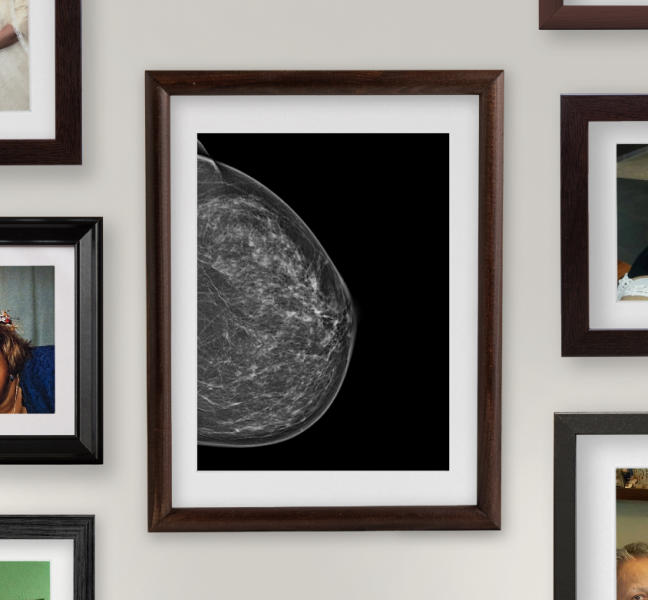
Photo Wall

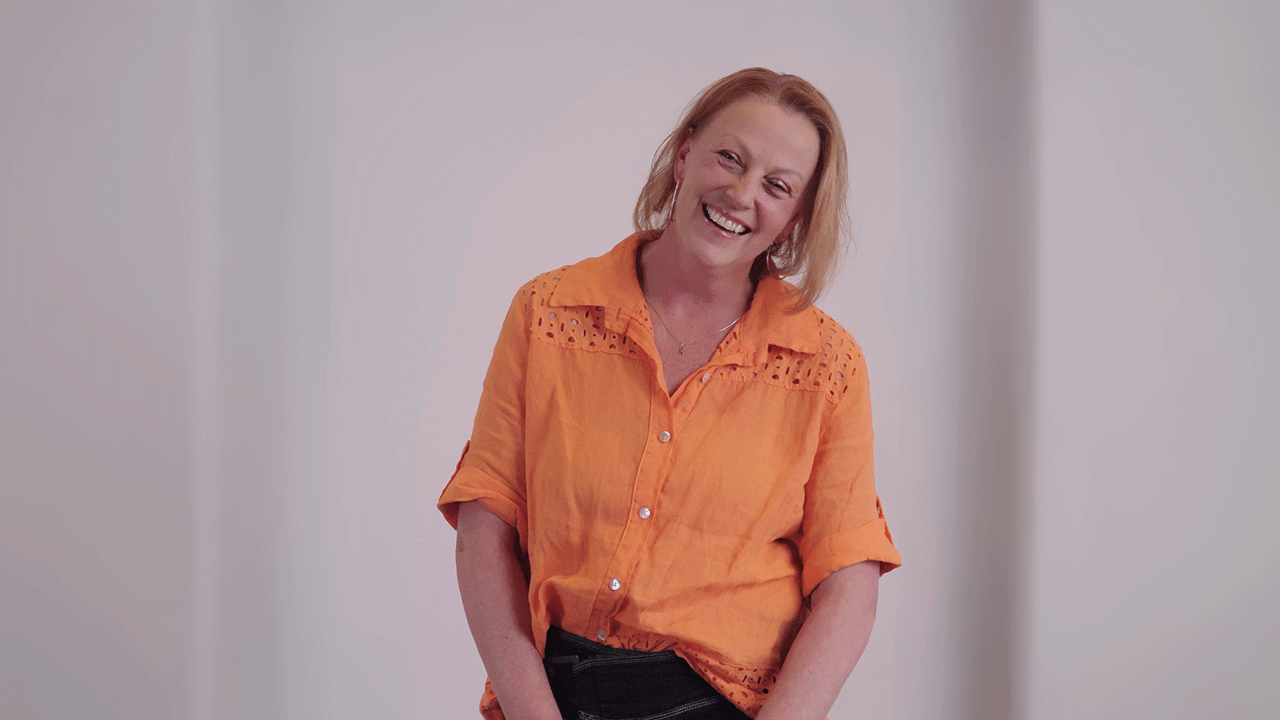
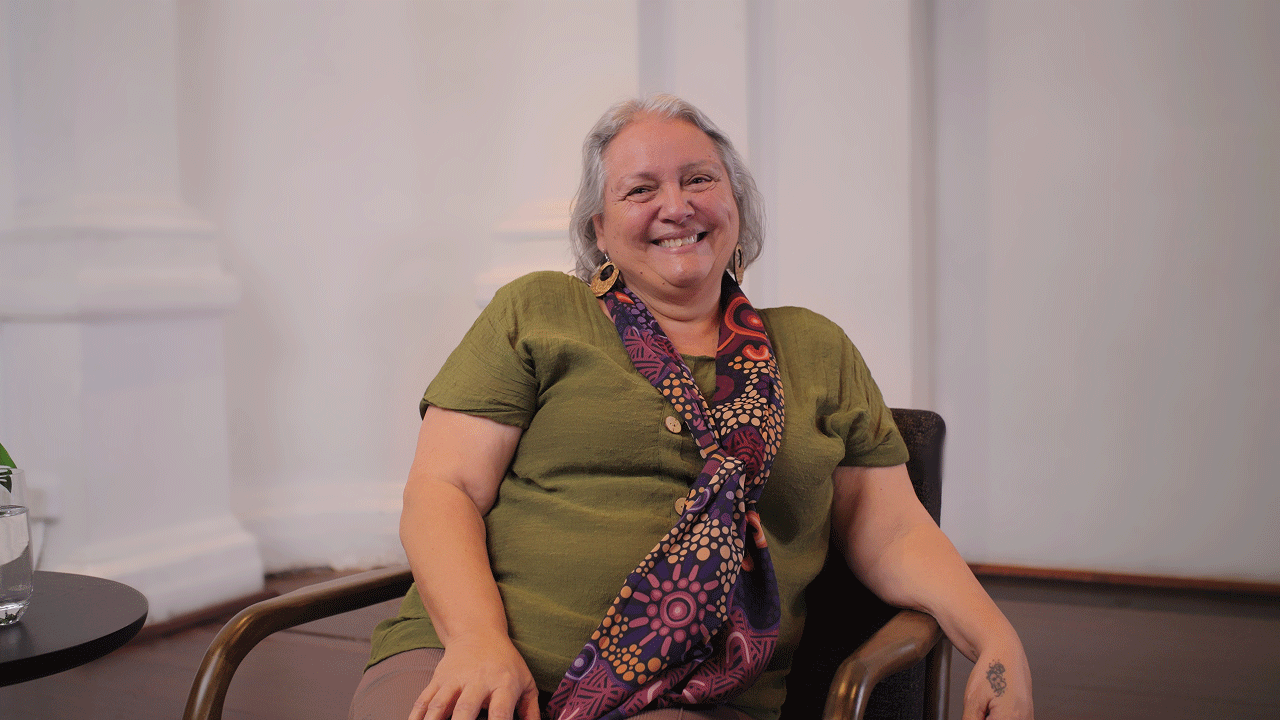
Jo and Leanne share why their mammogram was important to them

Jo

Jo

"This is the most important photo to me because it literally saved my life. Without this photo, I wouldn't be here."

Leanne

Leanne

"This is a really important photo to me. It reminds me of why we should have a mammogram"

Why it's important for you


Early detection saves lives

Mammograms can be a little uncomfortable, but they play a crucial role in the early detection of breast cancer, improving your chances of successful treatment.


Most breast cancer has no family history

Less than 5% of breast cancers are related to genetic factors. Every woman should have regular mammograms.


20 minutes could change your life

A screening mammogram can take just 20 minutes out of your busy day. Taking this time is important, for you and your family.

What to expect

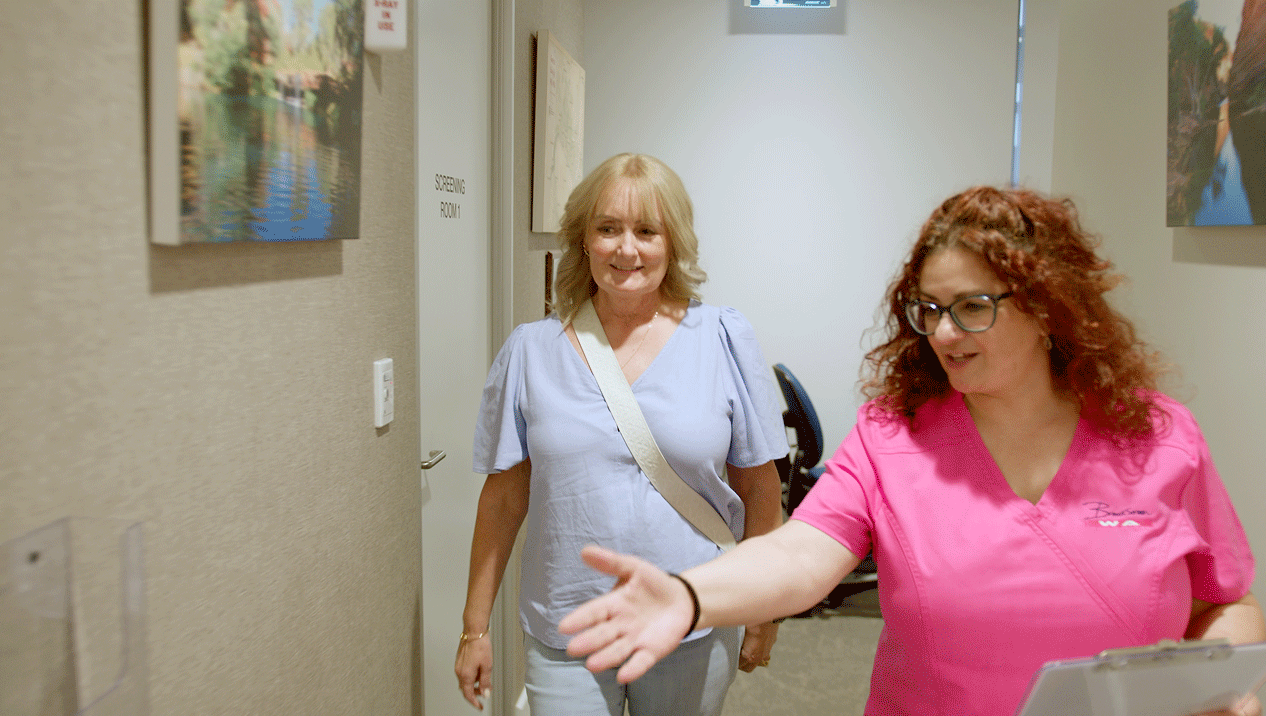
Your screening mammogram appointment is designed to be quick and easy. Here's what you can expect on the day:

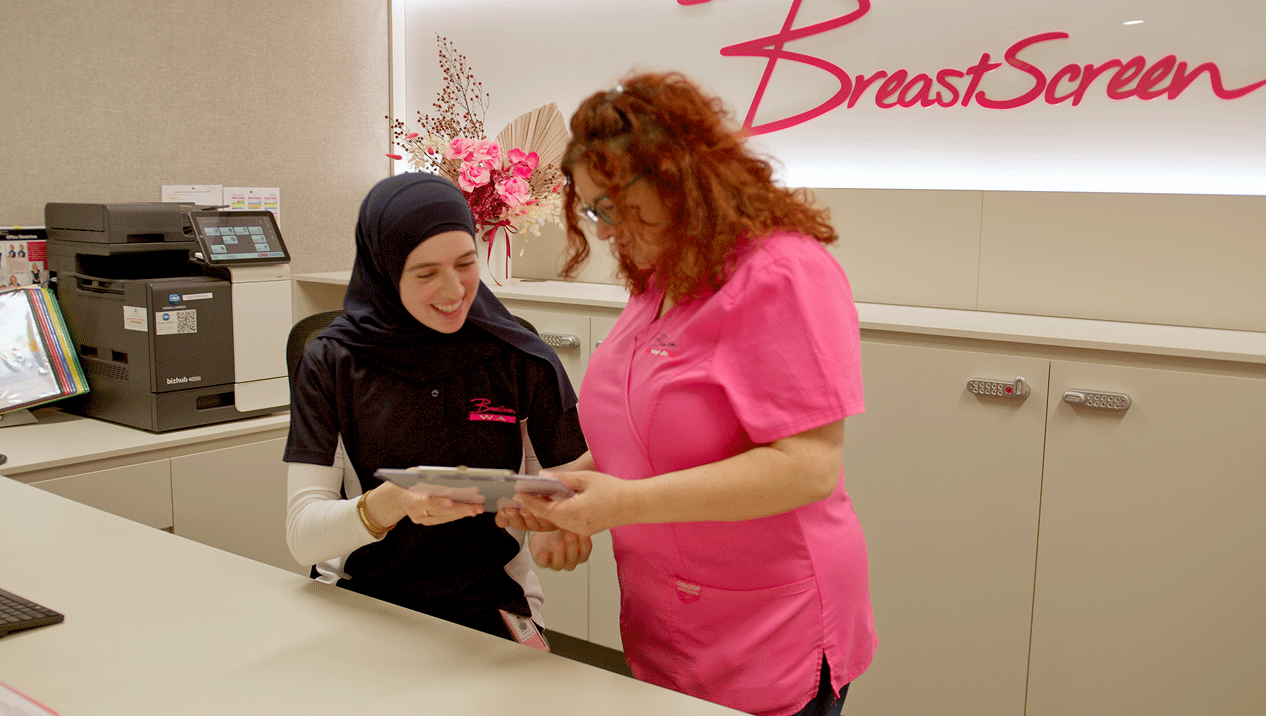
Arrival and registration

Arrival and registration

Read and fill in consent forms.

Changing

Changing

Change rooms are available for you to remove your bra and put your top back on, or wear a provided disposable gown.

Pre-examination

Pre-examination

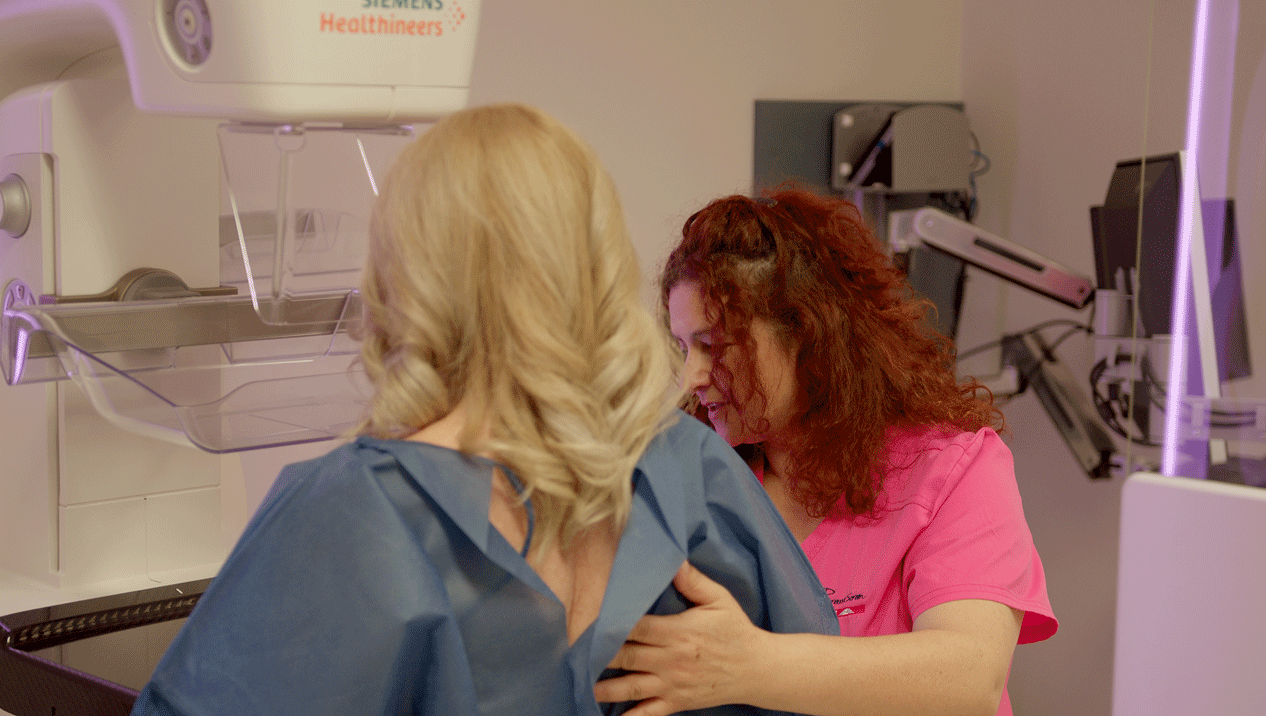
A female mammographer will take you into the X-ray room and ask you some questions.

Procedure

Procedure

The X-ray machine will be adjusted for your height and body shape. Each breast is then compressed between two plates to take clear images. Usually, two X-rays per breast are taken. The compression may feel uncomfortable but only lasts a few seconds.


After the X-ray

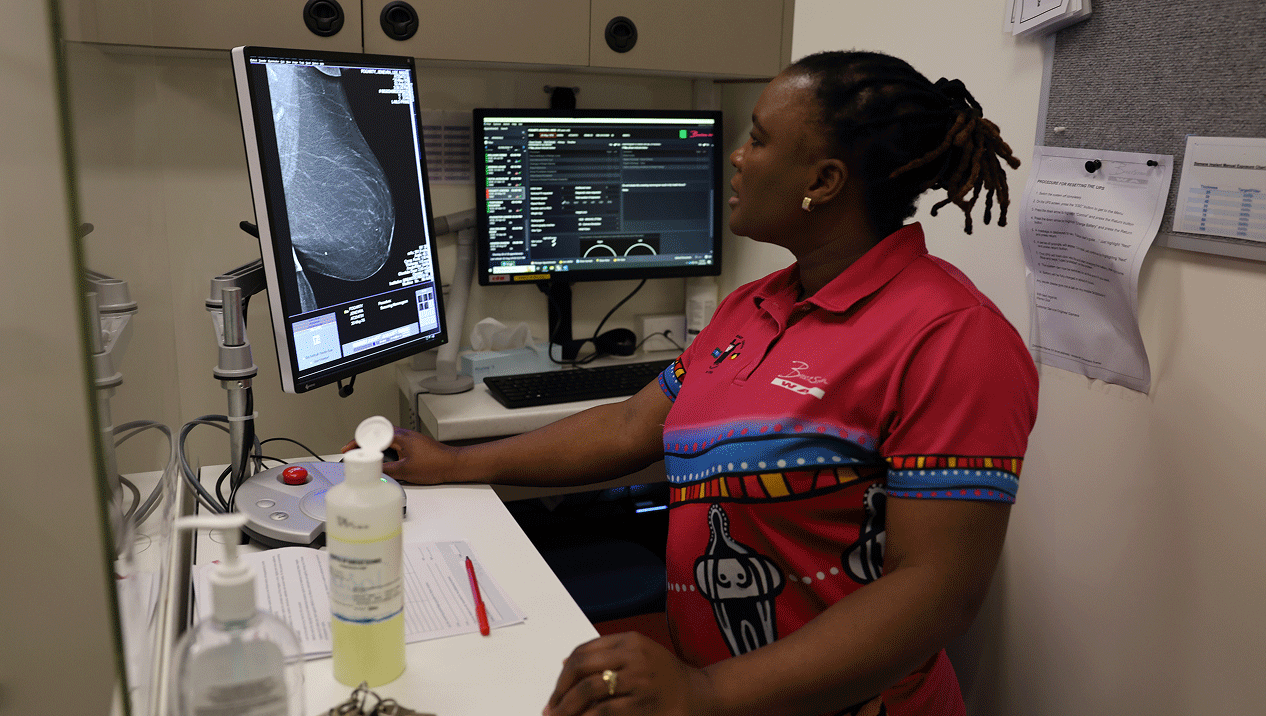
The mammographer will check the images for quality and let you know when you're free to leave.


Results

Results will be sent via SMS or mail within 2-3 weeks, but this may take longer. With your consent, your doctor will also receive the results. If further tests are required, BreastScreen WA will phone you directly. This is common and doesn't necessarily mean something is wrong.

Show your support

Help us to encourage greater awareness about the importance of screening mammograms and breast awareness by sharing why it's "your most important photo" in your workplace and community.

Download the resources
Show your support

FAQs

Who can have a screening mammogram?

Women 50 – 74 with no breast symptoms are invited for a free screening mammograms every two years. Women 40 years and over are also eligible.

How long does a mammogram take?

A mammogram appointment typically takes around 20 minutes, with the procedure itself only taking a few minutes to complete.

Why are screening mammograms important?

Regular screening mammograms are the best way to detect breast cancer early, making treatment easier, so you can get back to making memories, sooner.

Did you know?:

  • Women in Australia have a 1 in 7 risk of developing breast cancer in their lifetime.
  • The risk of breast cancer increases with age.
  • Screening mammograms may detect a very small cancer, as small as a grain of rice, before you or your doctor can feel it.
  • Most breast cancer cannot be prevented, but the earlier a breast cancer is detected, the better the chance of successful treatment.
Is a mammogram painful?

Our mammographers will work with you to make you as comfortable as possible during the procedure. Let them know if you feel significant pain during the compression. Note that you can stop the procedure at any time.
Last Updated: 30/09/2026
  • Facebook
  • Instagram
  • LinkedIn

Footer menu

  • wa.gov.au
  • Copyright
  • Disclaimer
  • Privacy
  • Sitemap
  • Contact Us

Brought to you by the Department of Health, Western Australia

© Government of Western Australia 2018 to